Episode 14: RUSSELL DIABO: TRUTH BEFORE RECONCILIATION
On • Duration 1:06:45
Powered by RedCircle
Peter P. d’Errico and Steven Newcomb and their guest, Russell Diabo, a Mohawk policy analyst and advocate.
Introduction
Today Russell Diabo (Mohawk Nation at Kahnawake) joins us for a conversation about Canada’s efforts to extinguish the existence of First Nations Peoples, historically and in the present. Russell is a First Nations policy analyst, working with strategic issues that are especially highlighted now with what the Canadian government is trying to do to essentially get rid of the last vestiges of independent existence of Native peoples. Russell has been active for decades now in First Nations and Indigenous peoples' issues internationally.
Russell talks about his background—experiences at Wounded Knee and other sites where Native Peoples confronted government claims of a right of domination; learning from Vine Deloria, Jr., and in academic programs at several colleges and universities—and how this educational trajectory led to his engagement with the Assembly of First Nations and the development of his “First Nations Strategic Bulletin”.
The conversation digs into the deceptive words and practices of so-called “reconciliation”, especially its latest incarnation as “economic reconciliation” for “Indigenous self-government”. Russell explains how the Canadian government operates a public relations “SWAT” team—“Special Words and Tactics”—to obscure the actual operations of its claim to a right of domination.
Russell Diabo’s Background
Diaboshares his lifelong involvement in Indigenous activism, which beganin his teens:
- Early Activism: He participated in the 1972 BIA building takeover in Washington D.C. and the 1973 occupationof Wounded Knee, where he witnessed firefights involving federal marshals.
- Education: A former high school dropout inspired by Vine Deloria Jr., he eventually earned a degree in Native Studies and attended graduate school under Deloria.
- Professional Focus: He has spent decades analyzing Canadian policy,specifically how the "rights recognition framework" oftenserves to limit rather than empower Indigenous peoples.
Key Themes: Domination and Policy
The conversation highlights several mechanisms of "legal and political war" used by the Canadian state:
The Indian Act and "Self-Government"
Persistent Control: The 150-year-old Indian Act remains the primary tool for managing "status Indians" and reserves.
A"Sideways Move": Diabo argues that current"self-government" agreements merely transition FirstNations from "decrepit jail cells" to "modern jailcells". These new governing bodies often have the statusof municipalities or corporations rather than sovereign nations.
Fiscal Dependency: Under the Trudeau and Carney governments,"self-government" includes "own-source revenue" policies, where the government reduces federal funding as acommunity earns its own money, shifting program risks to the Indigenous groups.
The Manipulation of Language
The participants discuss "Special Words and Tactics" (SWAT)used by the government to control public perception:
Reconciliation:Diabo critiques this as a rush to avoid addressing broken treaties and the "truth" of the past.
Consentvs. Consultation: While the UN Declaration (UNDRIP) emphasizes "consent," the Canadian government defines it as "meaningful participation" without the right of Indigenousgroups to say "no" (a veto) to major projects.
Economic Reconciliation as a Front
Major Projects: The government uses loan guarantees to encourage First Nations to buy equity in pipelines or mines.
The Limits of Support: Diabo cites a paper by Susan Collis, notingthat while the state supports "equity ownership" instate-sanctioned projects, it criminalizes independent Indigenouseconomies, such as the Mohawk tobacco trade.
Transcript
Download an AI Generated Transcript of this conversation
Resources:
Truth Before Reconciliation: https://www.russdiabo.com/
Trail of Broken Treaties: https://muscarelle.wm.edu/rising/broken-treaties/
Vine Deloria, Jr., Custer Died for Your Sins: https://archive.org/details/custerdiedfory00delo
Treaty of Fort Laramie (1868): https://www.archives.gov/milestone-documents/fort-laramie-treaty
Section 35, Canada Constitution: https://www.constitutionalstudies.ca/2021/09/section-35-aboriginal-and-treaty-rights/
1876 “Indian Act”: https://www.caid.ca/IndAct1876.pdf
Sparrow v. Queen (1990): https://scc-csc.lexum.com/scc-csc/scc-csc/en/item/609/index.do
Bill C-15, “An Act respecting the United Nations Declaration on theRights of Indigenous Peoples” (2021): https://publications.gc.ca/collections/collection_2021/parl/XB432-15-3.pdf
“Bill C-5: An Act to enact the Free Trade and Labour Mobility inCanada Act and the Building Canada Act”: https://lop.parl.ca/sites/PublicWebsite/default/en_CA/ResearchPublications/LegislativeSummaries/451C5E
L.C. Green and Olive P. Dickason, The Law of Nations and the NewWorld: https://archive.org/details/lawofnationsneww0000lcgr
Two Row Wampum – Gaswéñdah: https://www.onondaganation.org/culture/wampum/two-row-wampum-belt-guswenta/
Susan Collis, “From Reconciliation to Economic Reconciliation: TheRise of a State Project and Its Limits” (2025) [highlighted copy]: https://drive.google.com/file/d/1HtX0PR1hinX7-_ghFfIDi8bN_ece1FIu/view?usp=sharing
Citation
Steve Newcomb and Peter d’Errico, "Episode 14: RUSSELL DIABO: TRUTH BEFORE RECONCILIATION," Domination Chronicles (Podcast), 2026-02-04, https://dominationchronicles.com/e014-domination-chronicles-guest-russel-diabo.
Citation Downloads
Episodes
Our Lastest Podcast Epsiodes
Episode 23: Bishops, Papal Bulls, and the Problem of Domination
Play EpsiodeEpisode 22: Where Are We Now? Why Domination Is the Beginning of the Conversation, Not the End
Play EpsiodeEpisode 21: “Tribal Sovereignty” 101: Limited Sovereignty, Federal Domination, and the Language Trap
Play EpsiodeAbout Host
Domination Chronicles Host
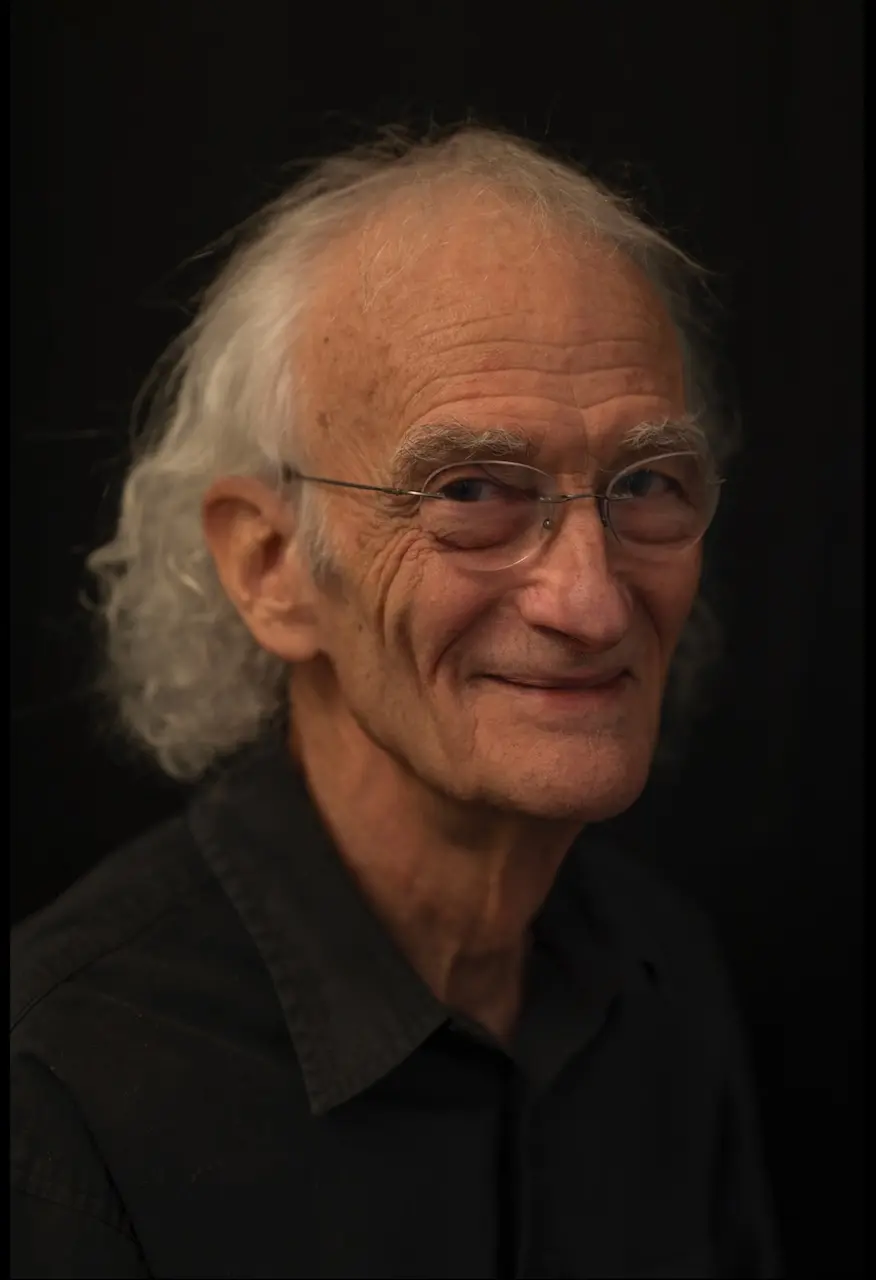
Peter d’Errico graduated from Yale Law School in 1968. He was an attorney at Dinébe’iiná Náhiiłna be Agha’diit’ahii, Navajo Legal Services, in Shiprock, 1968-1970.
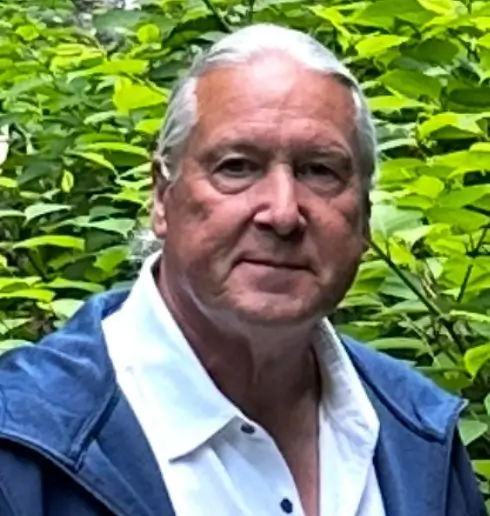
Steven T. Newcomb (Shawnee/Lenape) has been researching the history of U.S. federal Indian law and policy for four decades.
